The Velvet Journal · Stress relief
How Stress Affects the Body: Signs, Risks & Relief Tips

Introduction
Stress isn't just "in your head." From a racing heart before a big meeting to tight shoulders after a long week, your body keeps score of every stressful moment — often long before your mind catches up. Understanding how stress affects the body is the first step to catching the warning signs early and doing something about them before chronic tension turns into a bigger health problem. In this guide, we'll break down what stress actually does to your body system by system, walk through practical stress relief techniques you can use today, and explain why massage for stress relief is one of the fastest ways to reset — both physically and mentally.
What Happens to Your Body Under Stress
Whenever a stressful situation arises, your body activates the “fight or flight” response. This is a survival response designed to be used only for very short periods of stressful situations, instead of the ongoing, mild stress associated with modern living. The trouble is that when the body is under continuous stress, it keeps triggering the same response which, eventually, starts to take its toll on practically all systems in the body.
Nervous system. When stress level reaches its peak, the brain triggers the production of corticosteroids and adrenaline. This is good for the short term in keeping your alert, but continued exposure to stress will lead to feelings of stress and suffering from mental fatigue.
Cardiovascular system. Every stressful situation raises your heart rate and blood pressure. Over time, this raises the chances of having high blood pressure and putting extra pressure on your heart.
Digestive system. Stress can slow or disrupt digestion, leading to bloating, stomach discomfort, or appetite changes — many people notice their gut is the first place stress shows up.
Muscles and joints. Constant tension can lead to tight muscles as many feel tensions in neck, shoulders and lower back without being aware of it.
Immune system. Prolonged stress decreases its function causing more infections and slow recovery from illness.
Sleep. Elevated cortisol makes it harder to fall asleep and stay asleep, which then compounds stress the next day — a cycle that's hard to break without intervention.
Taken together, this is exactly how stress affects the body over time: not as one dramatic event, but as a slow accumulation of tension, fatigue, and wear that eventually surfaces as headaches, poor sleep, muscle pain, or burnout.
Signs Your Body Is Holding onto Too Much Stress
- Sore shoulders, neck, or jaw at the end of the day
- Easy headaches or pain at the back of the head
- Hard time sleeping at night or waking up tired
- Unease in the stomach without a known reason
- Feeling tense even in silent times
- Feeling tired in spite of enough sleep
If several of this sound familiar, your body is likely asking for a reset.
Simple Stress Relief Techniques You Can Start Today
The good news: you don't need a complete lifestyle overhaul to feel the effects of stress relief. Both research and everyday experience backs these ways to reduce stress, and most take less than 20 minutes.
1.Slow, deep breathing. Breathing with a slow and steady rhythm for a couple of minutes will bring your body to a state of relaxation and make it overcome stress. You may try inhaling through your nose for four counts, keeping the breath for four counts and exhaling in six counts.
2. Movement. A walk only for a few minutes will exert a positive impact upon cortisol levels lowering and endorphins running. Even if you do not train hard, but walk on a regular basis, it is more effective than doing a lot of sports once in a blue moon.
3. Protect your sleep window. Pick a fixed bedtime. Turn off gadgets, at least thirty minutes before sleep. This lets the body rest well during night.
4. Meditation and mindfulness support the body. Spend a few minutes focusing on breathing. This lowers hormones in the body.
5. Time outside is very good. Fresh air and natural light cut stress. This works best during the week.
6. Stay connected. I know the importance of communicating with friends during these difficult times. Keeping in touch brings about a sense of calm.
7. Reduce the number of stimulants. I know how caffeine makes stress worse as it increases heart rate and makes you restless. Reducing the number of stimulants can ease some of the symptoms.
These habits work well on their own, but they work even better paired with structured, hands-on relief — which is where massage comes in.
Why Massage Is One of the Most Effective Stress Relief Techniques
Among all the ways to reduce stress massage for stress relief stands out because it works on the body and nervous system at the time. Massage therapy has been shown to lower levels while increasing serotonin and dopamine. The same neurotransmitters responsible, for feeling calm and balanced. It also releases the physical muscle tension that builds up from stress particularly in the neck, shoulders and lower back.
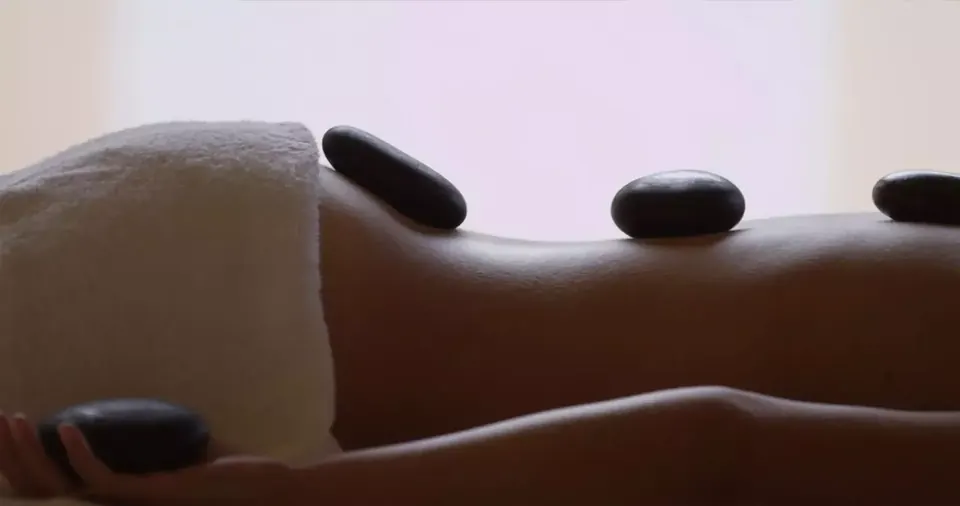
A relaxation massage is designed specifically for this purpose: slow, flowing strokes that calm the nervous system, ease muscular tightness, and lower heart rate and blood pressure. Unlike deeper therapeutic massage styles aimed at treating specific injuries, relaxation massage focuses on full-body calm — making it one of the most direct ways to interrupt the stress cycle. For people carrying more tension in specific areas, a deep tissue or targeted massage can complement relaxation techniques by addressing tight muscles directly.
Finding the Right Wellness Spa in Dubai for Stress Relief
If you suffer from any of the physical side effects of continuous stress, getting help from professionals can allow you to enjoy more than mere temporary relief. A good wellness spa in Dubai can offer solutions beyond simply listing its spa treatments. Make sure to check that the spa has the following:
- Qualified massage therapists
- Peaceful and quiet atmosphere promoting relaxation
- A variety of massage techniques suited to your individual mental stress condition
- Easily updated appointment schedule because regular treatments are more important than the one-off visit
Regular appointments with professionals who specialize in massage therapy in Dubai can help you avoid stress altogether, rather than simply helping you eliminate it once it builds up.
Frequently Asked Questions
1. How does stress physically affect the body?
When the body is under pressure, it reacts by releasing hormones like cortisol and adrenaline, which can cause symptoms such as increased heart rate and blood pressure, tense muscles and poor digestion, among others. Over a long period, these effects can lead to a decline in immune response and cause chronic stress and exhaustion.
2. What are the fastest stress relief techniques?
Deep breathing, a short walk, and a few minutes of quiet mindfulness tend to bring the fastest relief because they directly calm the nervous system. Massage therapy offers a similarly fast physical reset, especially for tension held in the shoulders and back.
3. Is massage actually effective for stress relief?
Yes. Massage lowers cortisol and increases calming neurotransmitters like serotonin and dopamine, while also releasing physical muscle tension — addressing both the mental and physical sides of stress at once.
4. How often should I get a relaxation massage for stress management?
Many people notice the best results with a session every two to four weeks, though this varies based on individual stress levels and lifestyle.
Final Thoughts
There is no escaping the fact that stress is a part of life that everyone must face. However, one can manage prolonged instances of stress. Once we grasp the different ways that tension impacts functioning in the body, such as the muscles, sleep, and glands, it is easier to allow oneself the time to recuperate properly. Creating routines in everyday life is a good start, but actually going for massage treatment will help the body recover. Stress will always be part of life, but chronic, unmanaged stress doesn't have to be. Once you understand how