The Velvet Journal · Massage guides
Neck and Shoulder Tension: Common Causes and How Massage May Help

If you start your day with a stiff neck or discover at lunchtime that your shoulder muscles have tightened up, you are certainly not alone in this. Neck and shoulder tension are one of the most common complaints of office workers and people who depend a lot on technology, as well as those who encounter challenges in daily life. Without proper intervention, stiffness can extend to the upper back, create tension in the head, and impair turning of one’s head. Fortunately, neck and shoulder issues are not permanent in most cases, as it is essential to know what causes discomfort and that it can be treated with massage.
What Causes Neck and Shoulder Tension?
The tension in your neck and shoulders can be attributed to several different reasons. In truth, it usually results from numerous habits accumulated through time. Some of the reasons are:
1. Bad posture: This involves slouching over the computer or bending down over the phone, which makes the neck move forward as the muscles that should hold it get fatigued.
2. A prolonged sitting: Sitting for a long time at the office or at the desk results in numbness of the neck and upper back muscles over time.
3. Psychological distress: The fact that people don’t realize is that stress also works for the neck and shoulders. People assume the right posture for a long period of time, and this results in tension.
4. Bad sleeping position: The use of the wrong pillow is one more reason to experience discomfort in your neck overnight.
5. Repetitive motion and excessive use: For example, going with a ridiculously heavy bag or lifting something with one hand repeatedly will result in muscle overuse.
6. Inactivity and dehydration: Staying inactive for long amounts of time stops blood circulation in certain areas of your neck, leading to tightness in this region.
Recognizing Neck and Shoulder Tightness
One should be aware of the signs of the tension that has developed over time. Some signs of neck and shoulder tension are:
- Neck stiffness can restrict movement capability.
- Shoulder stiffness, feel in the upper back area.
- General muscle stiffness across the base of the skull, collarbone, and shoulder blades
- Upper back tension that feels like a persistent knot between the shoulder blades
- Headaches can begin from the back of the head.
- The shoulders may feel fatigued.
If any of the symptoms are familiar to you, make sure to pay attention to them because chronic tension can lead to many more health complications.
How Massage May Help Relieve Neck and Shoulder Tension
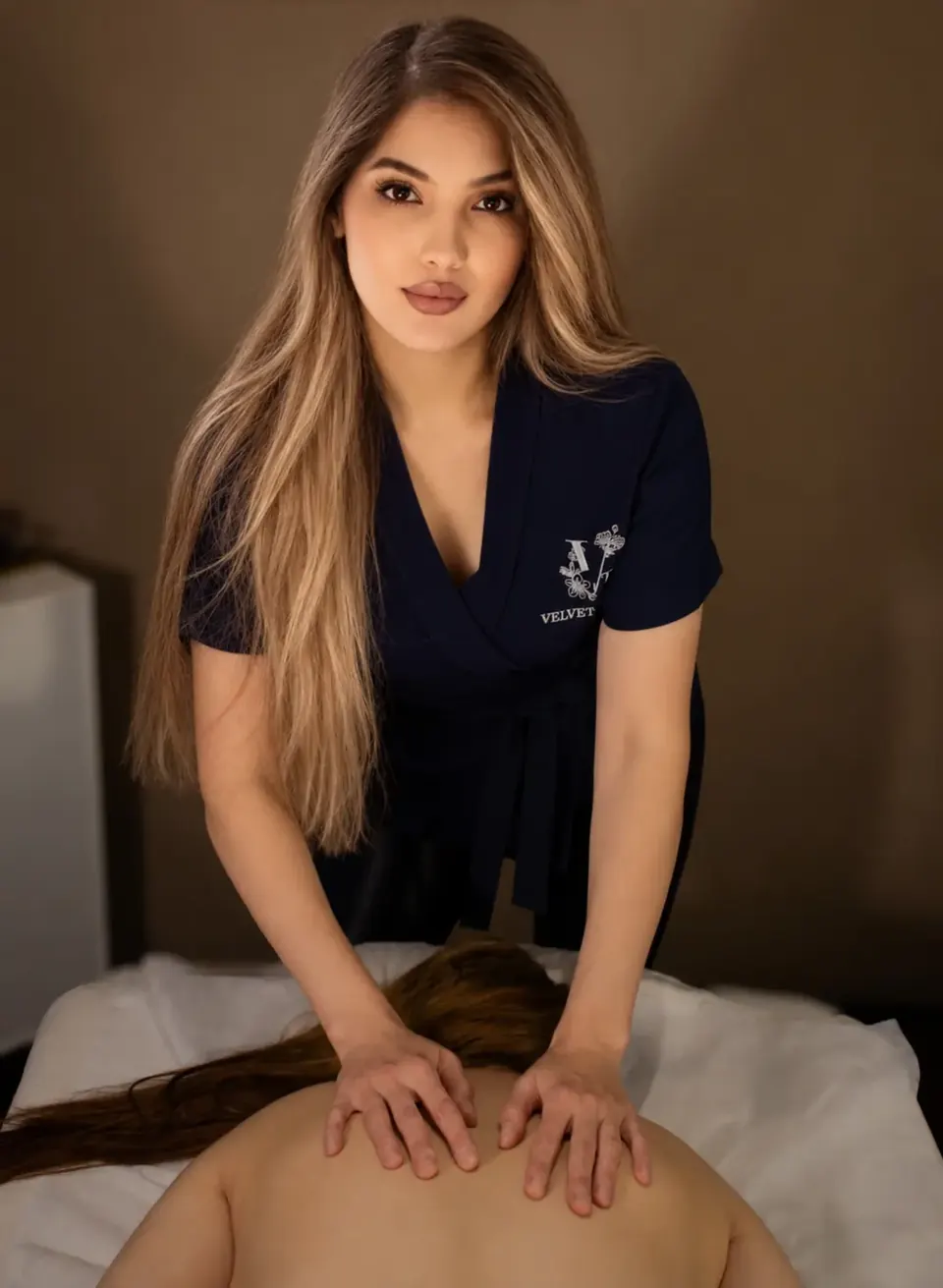
Massage for neck and shoulder pain therapy offers some physical and physiological benefits. First of all, from a physical point of view, the manual technique used determines the relaxation of muscle fibers, getting rid of tension in certain places and helping blood circulation in the area where the muscle is constantly tense. Blood circulation in that way allows quicker oxygen and nutrient delivery to the exhausted muscle that will help the muscle relaxation.
On the physiological side, massage for stress relief management is equally important. Touch therapy is linked to lower levels of stress hormones in the body and higher parasympathetic nervous system activity. Given that most of the tension in the neck and shoulders is caused by stress, working on the mental and emotional aspect of the problem in tandem with the physical aspect is likely to yield much greater and longer-lasting results.
Benefits of Neck and Shoulder Massage
Regular sessions provide much more than just short-term relief. Some of the common benefits reported by clients following a neck and shoulder massage include:
- Tightened neck and shoulder muscles become less stiff and more flexible
- The client becomes more aware of their posture thereby preventing the return of tautness
- Fewer headaches connected to stress
- The muscles also relax and one sleeps better afterwards
- Feeling calm mentally due to the positive impact of massage
- Blood circulation improving in the area that often suffers from upper back tension
Types of Massage That Target Neck, Shoulder, and Upper Back Tension
There are different kinds of massages. The choice of specific types of massage depends on the kind of stress that is experienced and its duration.
- Swedish massage is the type of massage that is done with lighter strokes and will help initiate the relaxation process.
- Deep tissue massage is done with pressure that is both strong and constant and will help reach deeper layers of muscles making it suitable for people suffering from tension.
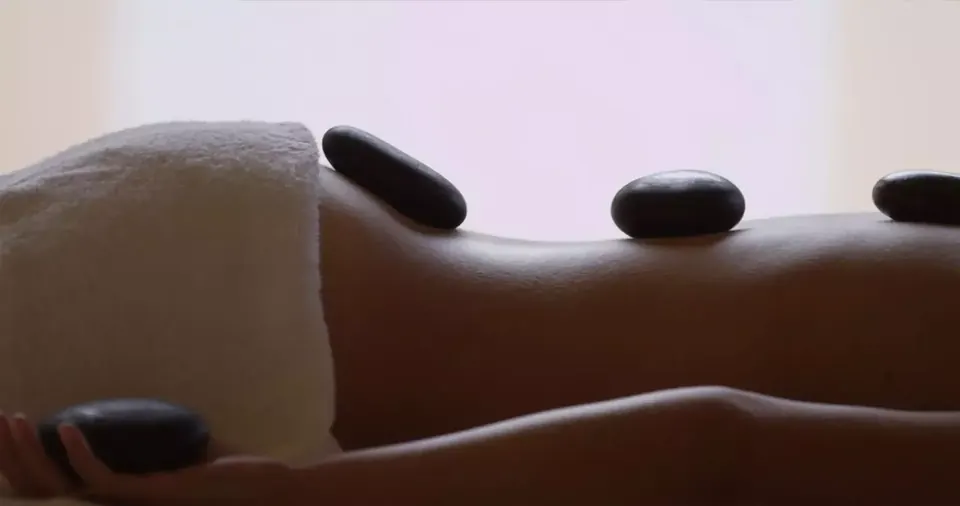
- Trigger point massage and hot stone massage will target the affected area, which is perfect for people who cannot move their backs freely.
Hence, an expert therapist can usually recommend the most relevant massage techniques to arrive at the desired result.
Simple Self-Care Tips Between Sessions
A couple of practices to implement between appointments can keep tension at bay for a lengthy period of time:
- Take breaks of 30-45 minutes to roll the shoulders and stretch the neck.
- Place the screen at eye level so as to prevent the forward head posture and resulting tech neck.
- Heat up the neck and shoulder before stretching as heated muscles ensure easy stretching.
- Keep drinking fluids as fluid muscles are generally less stiff.
- Observe the body during the day and consciously relax the shoulders.
Frequently Asked Questions
Can stress alone cause neck and shoulder tension?
Yes. Even without any physical strain, chronically tense shoulders are a common stress response. The muscles stay contracted for long periods, which can lead to the same tightness and discomfort caused by poor posture or overuse.
How often should I get a massage for neck and shoulder tension?
It depends on how the tension developed. Occasional stress or a single stiff day may only need one session for relief, while chronic tightness from posture or repetitive strain often responds better to a regular schedule, such as every two to four weeks.
Is it normal to feel sore after a neck and shoulder massage?
A mild sense of soreness lasting for a day or two is not uncommon, especially after deep tissue work done on the parts of the body with considerable muscular stiffness. The soreness usually disappears promptly and is alleviated by some gentle stretching or a warm shower.
How soon will I feel relief after a session?
Many individuals realize that their muscles seem less stiff and tight even after therapy. The true relaxation will take place subsequently to the treatment due to better blood circulation and muscles’ capability of releasing laxity without delay.
When to Consider Booking a Massage
Occasional tightness after a long day is normal, but if neck and shoulder tension is a near-constant presence, or it's starting to affect your sleep, mood, or range of motion, it may be worth booking a professional massage. A trained therapist can assess where tension is concentrated and tailor pressure and technique, accordingly, offering relief that's harder to achieve through stretching or rest alone. Ready to loosen things up? Book a neck and shoulder massage session and give your body the reset it's been asking for.